What Latvia’s new government documents say about trade with Russia and Belarus
Latvia’s new declaration pledges to limit economic ties. The coalition agreement aims to sever them. What does this mean for trade and transit?


Latvia’s new declaration pledges to limit economic ties. The coalition agreement aims to sever them. What does this mean for trade and transit?

Lithuania holds shipments pending origin checks, while Estonia uses a transit ban. The comparison with Latvia must also include the sanctions proposal announced on 13 November.

The disability support debate must distinguish better services, reallocated funding and budget savings. What evidence is needed before promising a financial result?

Controlling public spending requires more than counting cancelled contracts. We compare the reviews with questions that should be answered for every major purchase.

Origin controls also affect delivery schedules and working capital. We explain Lithuania’s decision and why the debate about Latvia must distinguish inspections from holding cargo.

The Russian grain transit debate requires a distinction between legal liability, economic scenarios and laboratory evidence. Businesses need verifiable information on each.

Reports of €7.5 million in unclaimed deposits raise questions about the system’s finances. Proposed producer and importer fees must be assessed separately from consumers’ refundable deposits.

Answers to LTV’s De facto raise questions about preparations for the promise to restrict Russian grain transit through higher railway charges. Industry estimates put the additional cost below one euro per tonne, while transit data up to 6 October cannot show the new charge’s effect.
The government's action plan set a 1 October deadline for the report. We examine delivery, the published savings figures and what they mean for business planning.

Work continues on streaming platforms' contribution to Latvian cinema. We explain the difference between a political statement, removing a bill's urgency status and adopting a law — and why 3.5% is not an automatic surcharge on subscriptions.
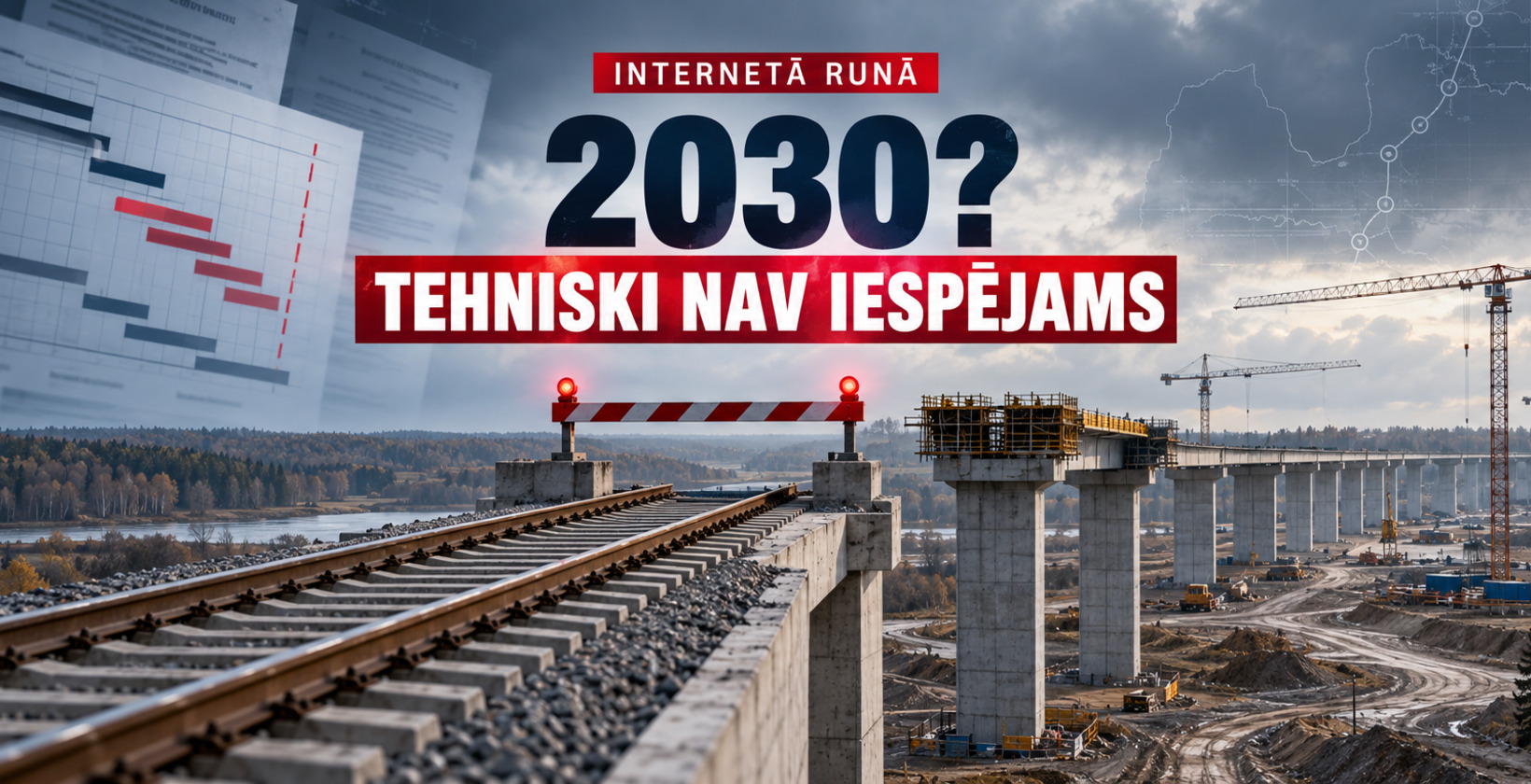
In January, completion of Rail Baltica’s first phase by 2030 was still linked to sufficient EU funding. Latvia’s Ministry of Transport now officially admits that completing the main line by that date is technically impossible and that the problem extends beyond a lack of money.
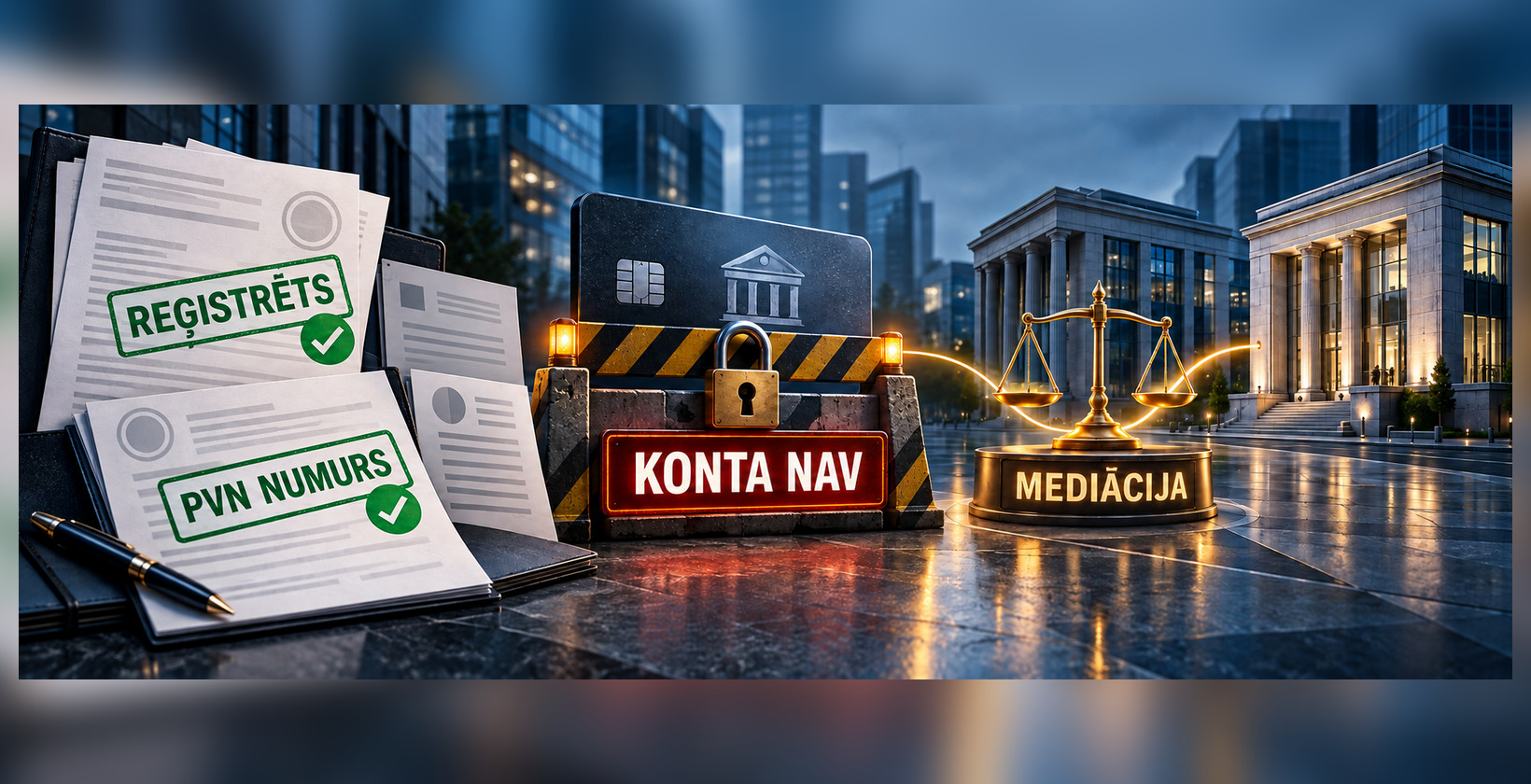
MiTek Industries has been registered in Latvia and issued a VAT number, yet for approximately four months it has been unable to open a fully operational current account. Latvijas Banka has requested explanations from two commercial banks and opened mediation, initially pointing to a possible FATCA and US taxpayer identification number issue.

Latvia’s prime minister has announced that the existing Tet–LMT transaction process has been halted after no non-binding investor offers were received and the memorandum with Telia expired. The merger itself has not been cancelled, while the publicly stated figure of almost €4.5 million for advisers is disputed by the Ministry of Economics and the companies involved.

Mandatory structured e-invoices in all domestic B2B transactions in Latvia begin on 1 January 2028, not in 2026. We explain what is actually mandatory in 2026, when the five-working-day deadline applies, and why a PDF invoice is not an e-invoice.

The Council Working Party on Company Law continues discussing the Commission's proposed EU Inc. or 28th-regime company form on 29 September. The proposal provides for fully digital registration within 48 hours at a cost of no more than €100 when standardised documents are used, but the regulation has not been adopted and its terms may still change.

Prime Minister Andris Kulbergs has publicly outlined a proposal for a special tax-residence regime under which a foreign investor holding a temporary residence permit would pay €60,000 a year. As of 28 September 2026, however, no such regime is in force and its essential rules have not been published.

A public target has been set to reduce fuel prices by up to 20 cents per litre, but as of 24 September 2026 such a decrease is not guaranteed. The principal measure reaching Parliament is an excise-duty cut with a theoretical effect of about eight cents per litre, and only if it is fully passed through to retail prices.

The claim is false. The EU has common climate objectives, but binding 2030 targets in the Effort Sharing sectors differ by country: Latvia must cut emissions by 17%, Lithuania by 21%, Estonia by 24%, and Germany and Denmark by 50% compared with 2005.